
"Ethiopia coffee defects"
2000 article(s) found

How Ethiopian coffee is graded why Ethiopian coffee beans vary in size
Professional coffee knowledge exchange more coffee bean information please follow the coffee workshop (Wechat official account cafe_style) Ethiopia is the hometown of Arabica coffee, it is in Ethiopia's Kaffa region of the forest, you can see wild Arabica coffee. In Ethiopian, coffee is called Bun or Buna, coffee beans (coffeebean

Grade Analysis of Ethiopian Coffee beans
Ethiopian coffee beans are divided into five levels. The first and second stages are washed beans. Washed beans Grade1 represents 3 defective beans per 300g raw beans, and Grade2 represents 4 defective beans per 300g. Gradc1 grade water washed beans are very rare and are generally difficult to buy. At present, all the washed beans exported from Ethiopia are Grade2 grade. The quality of sun-dried beans is Grade3 and Grad in order.
Introduction of flavor washing and solarization in Ethiopia Yega Xuefei Coffee Bean hand flushing area
Yega Xuefei, which is synonymous with Ethiopian boutique coffee, believes that even a person who does not drink coffee very often will never be able to refuse its charm. This is also the reason why there must be no shortage of hand-made coffee lists in major boutique cafes. Its taste is light, fresh and bright, and light roasting makes it lemon-scented flowers.
Flavor description characteristics of Yega Snow Flavor in Ethiopia the taste of varieties produced by regional treatment method
The flavor description characteristics of Ethiopian Yejia Snow Flavor Variety processing method the taste of Yega snow caffeine has a strict standard for collecting red fruits (as a result of coffee trees). Before exposing the coffee fruit, the unripe green fruit or defective fruit is removed manually, and the damaged or moldy fruit is removed in the process of solarization. After two weeks, the flesh sugar and essence are all infiltrated into the coffee bean, and the water content is reduced to 12%.

Ethiopia Yega Chuefei Coffee introduces Yega Snow Coffee Manor
There is a strict standard for collecting red fruits (as a result of coffee trees). Before exposure to coffee fruits, unripe green fruits or defective fruits are removed manually, and damaged or moldy fruits are removed during the sun drying process. after two weeks, the flesh sugar and essence seeped into the coffee beans, the water content was reduced to 12%, and then scraped off the hardened pulp, pectin layer and pods with a planer to remove the coffee.

What's so special about African Ethiopian coffee? what's the best coffee in Ethiopia?
Professional coffee knowledge exchange more coffee bean information please follow the coffee workshop (Wechat official account cafe_style) about Ethiopian coffee Ethiopia is an underdeveloped country located in northeast Africa, but this country is a world-famous coffee producer. Ethiopia has the most diverse coffee ecosystem in the world (forest coffee, semi-forest coffee, pastoral).

Introduction of Ethiopian Coffee beans Grade Analysis of Ethiopian Coffee beans
Ethiopian coffee beans are divided into five levels. The first and second stages are washed beans. Washed beans Grade1 represents 3 defective beans per 300g raw beans, and Grade2 represents 4 defective beans per 300g. Gradc1 grade water washed beans are very rare and are generally difficult to buy. At present, all the washed beans exported from Ethiopia are Grade2 grade. The quality of sun-dried beans is Grade3 and Grad in order.

Yegashefi Woka Cooperative Coffee Bean Features Yegashefi Coffee Production Area Distribution
Professional barista communication Please pay attention to coffee workshop (Weixin Official Accounts cafe_style) Yirgacheffe refining method is mostly washed refining method, placed in washing tank for about 72 hours fermentation shelling, directly dried outside the factory. Its raw beans

The difference between single coffee and blend coffee The classification of single coffee beans Farm and other labels
Professional barista communication, please pay attention to coffee workshop (Weixin Official Accounts cafe_style) coffee bean classification system a wide variety of coffee name: single product, deep roast, city, Italian style, French, special blend? How is this divided? What do these complicated coffee bean names mean? 1. Origin indication: Single and mixed coffee Most commercially available coffee beans

Geographical characteristics of Sidama producing area in Ethiopia Coffee flavor description processing Variety characteristics Introduction
1. Only fully ripe dark red coffee cherries are picked at the time of picking. Before being exposed to sunlight, the beans are screened for defects at the processing plant to make the beans look more average in size and maturity. 2. Then, use a raised wooden frame or whole trellis for sunning, which will avoid the risk of the beans being contaminated by odors on the ground. During the exposure process,

Gediyo Gediyo, one of the highest coffee producing areas in Ethiopia.
The beans are small, neat and round. Ethiopian sun beans are generally G3--G5, but the beans are G2, equal to the grade of washed beans. Although there are still a few defective beans, they are commendable compared to the sun beans of Harald and Sidamo. The 2015 sun Yega snow caffeine has appeared in the G1 grade, surpassing the G1 washing in terms of quality and sales. This bean is baked
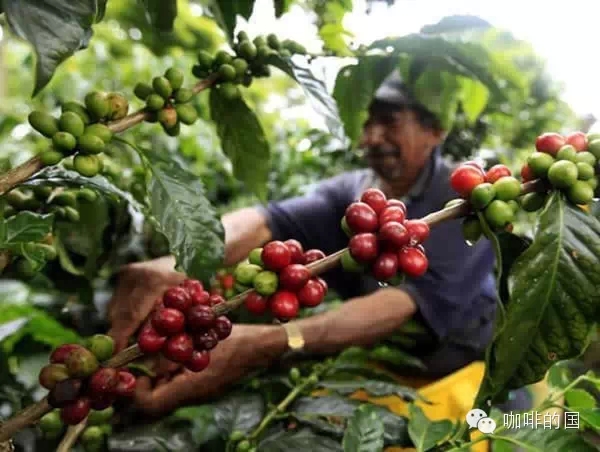
Boutique coffee Yega Coffee Fine Coffee beans Ethiopia Fine Coffee beans Ethiopia
Yega Xuefen is a small town with an elevation of 1700 meters above sea level. It is also synonymous with Ethiopian boutique beans. It has been a wetland since ancient times, and the ancient saying [yirga] means "settle down], and [cheffe] means [wetland], so [Yega Xuefen] means [let us settle down in this wetland]. It is one of the highest coffee producing areas in Ethiopia on average.

The production method of washing Yega Xuefei Ethiopian coffee beans to treat coffee beans
Ethiopian coffee beans are divided into five levels. The first and second stages are washed beans. Washed beans Grade1 represents 3 defective beans per 300g raw beans, and Grade2 represents 4 defective beans per 300g. Gradc1 grade water washed beans are very rare and are generally difficult to buy. At present, all the washed beans exported from Ethiopia are Grade2 grade. The quality of sun-dried beans is Grade3 and Grad in order.

Ethiopian Hambera Coffee 5.0 Sidama Coffee Flavor Taste Characteristics Introduction
Professional coffee knowledge exchange More coffee bean information Please pay attention to coffee workshop (Weixin Official Accounts cafe_style) Several important Ethiopian coffee producing areas, such as Yejiashev and Sidamo, have received considerable attention in recent years. Guji is also a part of Oromia Asia, southwest Ethiopia, south of Addis Ababa, the capital.
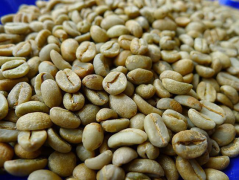
Grade analysis of Ethiopian coffee beans Ethiopian coffee beans are divided into five levels
Ethiopian coffee beans are divided into five levels. The first and second stages are washed beans. Washed beans Grade1 represents 3 defective beans per 300g raw beans, and Grade2 represents 4 defective beans per 300g. Gradc1 grade water washed beans are very rare and are generally difficult to buy. At present, all the washed beans exported from Ethiopia are Grade2 grade. The quality of sun-dried beans is Grade3 and Grade4 in order.

Is there a big difference between Sidamo and Sheffield? Guji Coffee in Sidamo
For the exchange of professional baristas, please follow the coffee workshop (Wechat official account cafe_style) introduction: the Guji producing area of ● Sidamo, along the Mora Mora River River in southern Ethiopia, has always been regarded as the original producing area of forest coffee (forest coffee). In terms of administrative division, Guji belongs to Europe in southern Ethiopia.
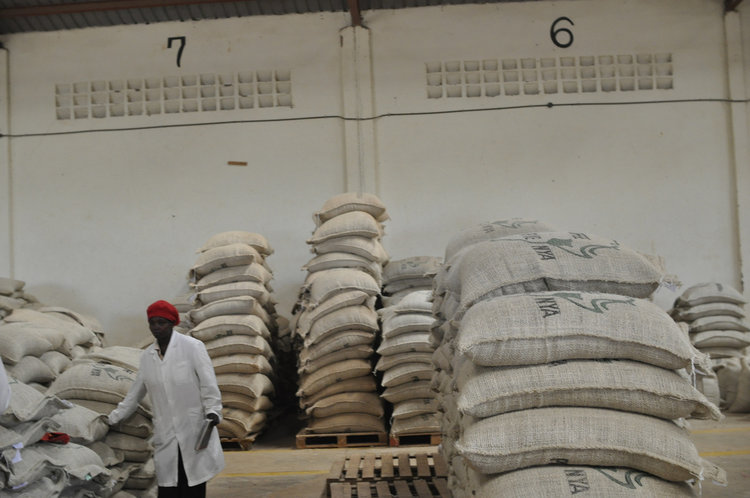
Yega Sheffield Wauka Coffee beans Flavor characteristics of Yega Chuefei Water washed Wauka Coffee beans
Yega Xuefei's coffee trees were planted by European monks (somewhat similar to Belgian monks who advocated planting wheat and brewing beer), and were later transferred to farmers or cooperatives. Yega Xuefei is actually built by surrounding coffee communities or cooperatives, including Edido, Hafusha, Hama and Bdon near the Fog Valley. Most coffee beans are washed with water, but also

Introduction to the method of describing the Flavor of Coffee Bean varieties in Ethiopia
Ethiopian Coffee introduces Sidamo's classification standard is according to the defect rate, the less the number of defective beans in the same weight standard, the better the quality, the higher the grade! Generally divided into two and three levels (G2, G3), water-washed Sidamo because the treatment process is more perfect than the sun, so most of the G2 level exports are more. On the other hand, most of the sun-processed coffee is grade three or four or five.

Introduction to the pure coffee flavor description and grinding degree in the coffee producing area of Xidamasha Chiso, Ethiopia.
1. After picking beans without special screening and treatment, uneven appearance and maturity are mixed together, the process is relatively rough, so the quality of coffee beans is unstable and prone to defective beans. two。 Coffee farmers usually find an open space near their home to deal with it, so there are often a lot of impurities or dirt on the ground, and coffee is easy to get smelly. Improved tanning method

Description of Coffee Flavor in Xidamo Shaqiso, Ethiopia, introduction to the price of grinding degree and baking degree
Even the official research unit of Ethiopia does not know how many Arabica subspecies there are in Ethiopia. The coffee cooperatives in this mountain are certainly different from those planted in another mountain, and even small farmers in the same region grow different varieties of coffee. It has been estimated that there are at least 2000 varieties of Ethiopian coffee and even more than 4500 kinds of coffee. Compared to the southern neighbor